Money & business4 min read
Your Site Is Recruiting. Your Payments Aren’t Moving.
Clinical trial site payments need clear triggers, useful status updates, and timely reconciliation. A practical perspective for sites, sponsors, and CROs.
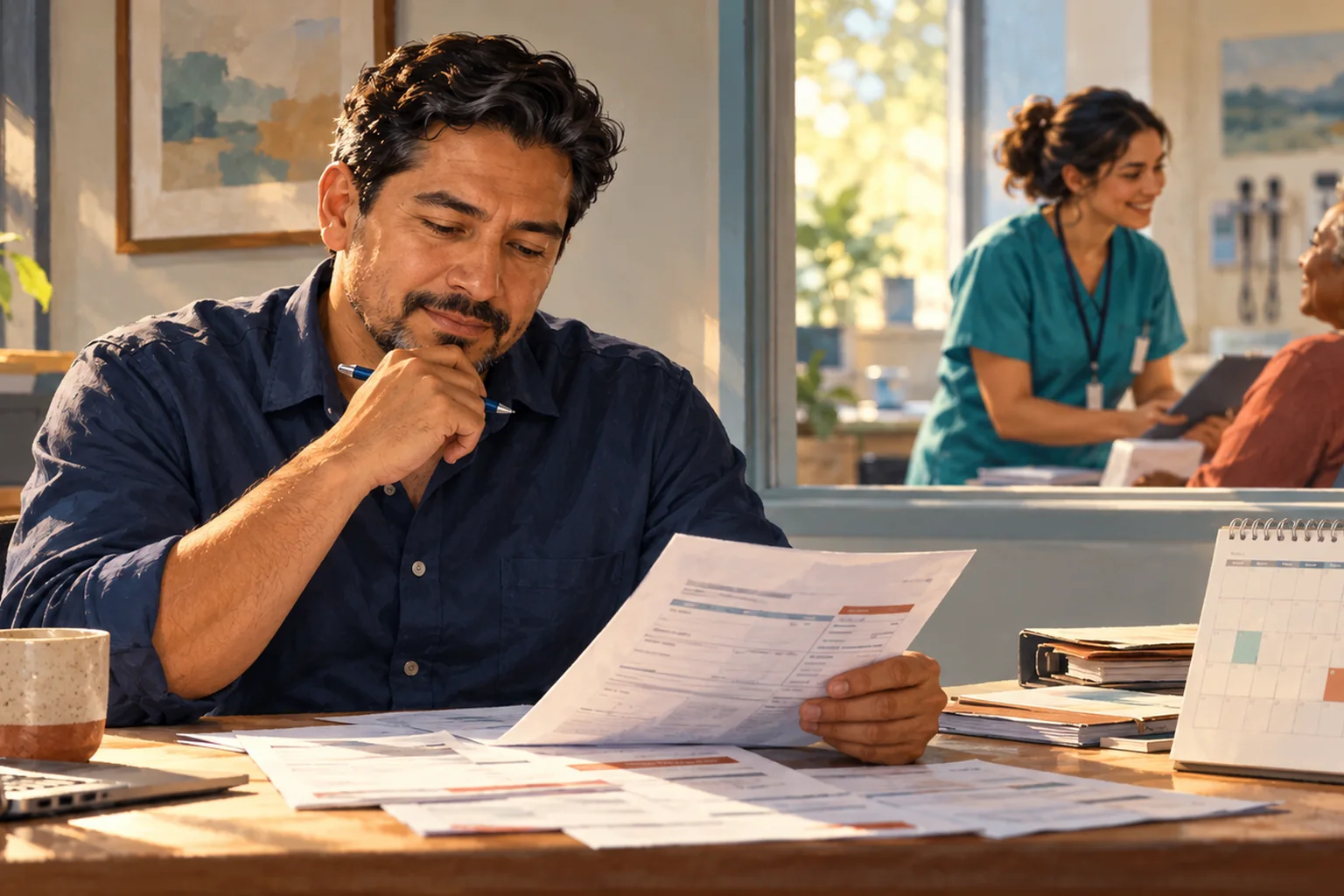
Payroll has a date. “Your payment is being processed” somehow doesn't.
Picture a research site with visits on the calendar, staff doing the work, and a payment question sitting in an email chain. The reply is friendly. Someone is checking. Another person has been copied.
The site still cannot tell when the money will arrive.
That is a hypothetical example, but the operational question is worth asking: how is a site supposed to plan around a payment process it cannot see?
Working in site operations, I care about recruitment, quality, and the participant experience. I also care about whether the work we agreed to perform has a clear path to payment. Those conversations belong together.
A negotiated rate is only part of the deal
A budget can look perfectly workable on paper. What matters next is how an earned payment moves from a completed activity to the site's account.
What triggers it? Which information must be entered or reviewed? Who checks it? Does the site need to submit an invoice? When does the agreed payment clock start?
If those answers live in different people's heads, there is room for two teams to follow different versions of the same process.
This is where I would start before debating another rate. Walk through one ordinary visit payment and one separately invoiceable activity. Follow the actual agreement. Make sure both teams can explain what happens next.
A payment process should be understandable before someone has to chase it.
The person answering may be waiting, too
I don't assume the CRO contact replying to a payment email controls the payment run. They may be waiting on confirmation from the sponsor, a finance team, or another system.
Sponsors need to know that an activity is payable. Finance teams need accurate records. Sites need to complete their part, including timely entry and any agreed invoice requirements.
Those are reasonable expectations. The problem is leaving the site with a status that explains nothing.
“Pending” could mean missing documentation, an unresolved discrepancy, an internal approval, or an upcoming payment batch. Each needs a different response.
If the site is missing something, tell us exactly what it is. If the next action belongs elsewhere, give us an owner and a realistic next update. A date for the next answer is still useful when a payment date cannot yet be confirmed.
Give both teams the same view
I would rather have a short, accurate reconciliation than a long chain of polite follow-ups.
For each outstanding item, the useful information is fairly ordinary: the agreed activity, the amount being discussed, when the request was received, what is blocking it, and who has the next action. Use approved systems and only the identifiers needed for that work.
Then separate three situations that should not be blended together: work that is not yet payable under the agreement, a disputed amount, and a payment that has cleared the required steps but has not arrived.
Calling all three “unpaid” hides the action each one needs. Calling all three “processing” is no better.
Where an amount is disputed, I would ask whether the undisputed portion can move under the agreed terms. That is a conversation to have with the people authorized to decide, rather than an assumption either side should make.
Stop making follow-up a second job
Three things would make this easier:
- Confirm the route before the first invoice. Agree on the recipient, required support, acknowledgment, and escalation contact. Test that the address or portal actually works.
- Share a usable status. Explain the blocker and next action in plain language. If an expected date changes, communicate that change.
- Reconcile regularly. Give site and payment teams a manageable list to resolve before the open items become a closeout project.
Sites have work to do here, too. Keep our records organized. Check that an item hasn't already been paid under a different reference. Send a clear question instead of forwarding six months of email without context.
That discipline makes it easier to distinguish a real missing payment from a misunderstanding.
Predictability is part of a working relationship
This connects to the work that continues after a participant visit. We should understand both what the budget covers and how that work becomes payable.
I want the people running the study to spend less time guessing about money and more time planning the work responsibly.
A site should be able to ask a straightforward payment question without feeling awkward. A sponsor or CRO should receive enough detail to answer it.
What would make your study payment process easier to trust: clearer triggers, better visibility, or a person who can actually resolve the issue?
Enmanuel Corvo | The Site Perspective
 Enmanuel CorvoEngineer. Site leader. Always learning.
I write about the practical work behind clinical research and what sites, sponsors, and CROs can learn from each other.