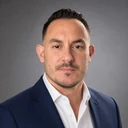
It started with building things.
Before I was working through study startup questions, I was writing software and figuring out how systems could work better together. I liked following a problem back to its source, especially when the answer wasn’t obvious.
That work took me from startup product development to enterprise applications and projects with Fortune 500 companies. Different environments, different pressures, and plenty to learn in each.
At one startup, I served as Principal Engineer and Director of Engineering, with a central role in building the product and leading the engineering work. The company was later acquired by a large public company. After the acquisition, I continued in engineering leadership and consulting roles with the acquiring organization.
Being part of that journey gave me experience with both sides of growth: getting something built with a small team, then helping it find its place in a much larger organization.
The work got bigger. So did the responsibility.
As a Director of Engineering, I led more than 30 engineers, with responsibility for QA, DevOps, design, and business teams too. People were looking at the same product from very different perspectives.
That meant listening carefully, making priorities clear, and helping people understand what the team next to them needed. I couldn’t be the answer to every question. I had to help people develop the confidence and judgment to work through things themselves.
A plan gets better when the people who have to make it work are part of the conversation.
That’s something I still come back to, whether I’m talking with an engineer, a coordinator, or a sponsor.
Technology opened the door to clinical research.
I started noticing gaps in the technology supporting recruitment and site selection. There were problems I felt my software background could help with, and that became my way into the industry.
As I got closer to site operations, the questions got broader. How do we prepare a team for a new study? What does a coordinator need to feel ready? What are we asking a participant and their family to manage?
I brought experience with systems, teams, and solving problems. I also had a lot to learn from the people doing research every day. I still do.
What my work looks like today.
I serve as Director of Operations and Global Research Director at Wellness Clinical Research, working with our teams in Miami and Puerto Rico.
My work includes study opportunities, feasibility, startup, sponsor and CRO relationships, staffing, and recruitment. Some days we’re considering whether a new study fits our sites. Other days, we’re working through what the team needs to deliver on the studies already here.
I’m also a co-founder of Study Catalyst. That’s where my software background and research experience come together. Being involved at the site gives me a much clearer view of what a useful tool needs to do.
I still enjoy building. I just have more people’s working days in mind when I think about what to build.
Why The Site Perspective exists.
There are things you notice while doing the work that don’t always make it into a meeting agenda. A coordinator who hesitates to ask for help. A caregiver’s schedule that makes a visit difficult. A team member who becomes more confident because someone trusted them.
I wanted somewhere to talk about those things, and to hear what I might be missing.
Sites and sponsors have challenges that aren’t always visible to each other. CROs and technology teams have their own view, too. I hope this space helps us understand a little more of the work on the other side and find useful ways forward together.
If you see it differently, I’d like to hear that.
Enmanuel
Let’s compare notes